Wheelchairs
Wheelchairs are an essential mobility aid for people with reduced mobility or orthopaedic conditions affecting their legs, hips or spine. They are not only used in hospitals and care homes, but also at home, in residential settings and for everyday journeys outside.
At Quirumed, we offer a wide range of orthopaedic wheelchairs so that each user can choose the model that best matches their needs, body size and lifestyle. Our Quirumed wheelchairs stand out for their robust construction, safety, quality materials and competitive prices, whether you are looking for a basic manual wheelchair, a lightweight folding wheelchair or a compact electric wheelchair.
Types of wheelchairs available
When you start looking for a wheelchair for sale, it is easy to get lost in the number of options: manual, powered, folding, indoor, outdoor, lightweight, aluminium, etc. To make things easier, our category is organised into clear sub-sections within Orthopedics > Wheelchairs:
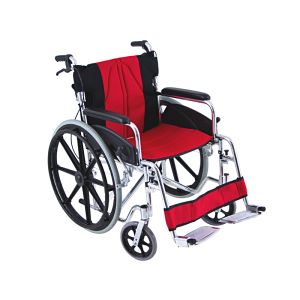
- Manual wheelchairs for everyday use at home, in hospital or in clinics.
- Electric wheelchairs and powered wheelchairs for greater autonomy with less physical effort.
- Folding wheelchairs that can be collapsed for storage and transport in a car boot.
- Lightweight aluminium wheelchairs and ultra-light models for users and carers who need to lift the chair frequently.
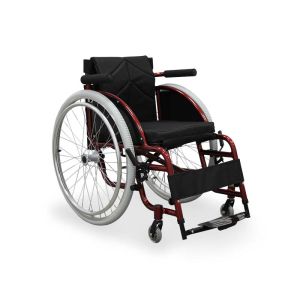
- Sports wheelchairs and active chairs designed for dynamic, sporty users.
- Wheelchair accessories (leg supports, armrests, spare parts, seatbelts, etc.).
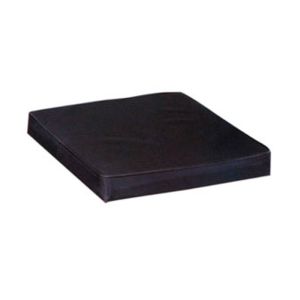
- Anti-bedsore cushions to help prevent pressure sores and improve posture and comfort.
How to choose the right wheelchair
To know which wheelchair to buy, it is important to consider the frame material, type of wheelchair (manual or powered), where it will be used most (indoors or outdoors), the user’s weight and the seat width.
Frame material: steel, aluminium or ultra-light
- Steel wheelchairs: very robust and durable, but also heavier (often around 18–20 kg). They are ideal if the chair will mainly stay in one place and does not need to be lifted into a car frequently.
- Aluminium wheelchairs: lighter (around 10–13 kg), which makes them easier to push, fold and lift. If you are looking for a lightweight manual wheelchair or a lightweight aluminium folding wheelchair, this is usually the best option.
- Ultra-light wheelchairs: made with advanced alloys, aimed at active users who move independently and need a very light, responsive chair.
Manual, folding or electric wheelchair?
- Manual wheelchairs: the user propels the chair using the push rims on the rear wheels or is pushed by a carer. They are simple, reliable and cost-effective.
- Folding wheelchairs: designed to fold easily, they are ideal for users and families who travel frequently or have limited storage space.
- Electric wheelchairs / powered wheelchairs: driven by a joystick, they are recommended when arm strength is limited or when longer distances need to be covered. Many folding electric wheelchairs are compact enough for travel and car transport.
Indoor, outdoor or mixed use
The main environment will help you choose between different wheelchair types and wheel sizes:
- Indoor wheelchairs: a narrow wheelchair with a reduced overall width is easier to manoeuvre through doorways and in tight spaces. Models with smaller rear wheels and compact frames are ideal for use in the home, care homes and hospitals.
- Outdoor wheelchairs: larger rear wheels roll more easily over uneven pavements, kerbs and small obstacles. For long outdoor journeys, a powered wheelchair or electric wheelchair can significantly reduce fatigue.
Wheelchair sizes and seat width
The seat width and overall width should match both the user’s body size and the space available at home:
- For very slim users, seat widths around 40 cm (16") may be suitable.
- Standard adult wheelchairs often have a seat width of 42–45 cm (16–18").
- For larger or bariatric users, wider seats and reinforced frames are available, with higher maximum user weights.
Comfort is also influenced by seat depth, backrest height, seat height and the position of the footrests. A good fit helps maintain a safe, upright posture and reduces the risk of pressure points.
Wheelchairs for older adults and long-term use
As we age, walking longer distances or standing for long periods can become difficult. A suitable wheelchair for older adults can make daily life safer and more comfortable, both indoors and outdoors.
- Lightweight folding wheelchairs are ideal for taking to appointments, outings and trips with family members.
- For regular outdoor use, a lightweight folding electric wheelchair with good battery range offers independence without overexertion.
- For people sitting for many hours, combining the chair with an anti-bedsore cushion helps prevent pressure sores and improves comfort.
Key points to consider before buying a wheelchair
Based on feedback from our Quirumed customers, these are some of the most important aspects to review before choosing a wheelchair:
| Aspect | What users often notice | What to check before buying |
|---|---|---|
| Wheels & surface | Very hard, narrow wheels can transmit more vibration and feel less secure on smooth indoor floors or uneven pavements. | For mainly outdoor use, consider wider or pneumatic tyres for a smoother ride. For indoor or flat surfaces, solid tyres are low-maintenance. |
| Width & manoeuvrability | Standard wheelchairs may be difficult to turn in narrow hallways or through tight doorways. | If the chair is mainly for home use, look for a narrow indoor wheelchair with a reduced overall width and good turning radius. |
| Weight & folding | Carers often mention how much easier a lightweight folding wheelchair is to lift into a car. | If the chair will be transported frequently, prioritise a lightweight, foldable frame and removable leg rests and armrests. |
| Maximum user weight | Heavier users need a stronger frame to feel safe and supported. | Check the maximum user weight. Bariatric or reinforced models are available for higher weights (e.g. 130–150 kg or more). |
| Type of wheelchair | Some users manage well with a manual chair, others need powered assistance. |
Manual: best when arm strength is sufficient and distances are short. Powered: ideal when strength or balance is limited, or for longer daily journeys. |
FAQs about wheelchairs
What types of wheelchairs are there?
The main types are manual wheelchairs (self-propelled or transit chairs pushed by a carer), electric or powered wheelchairs, and special models such as sports wheelchairs or bariatric wheelchairs with higher weight capacity. The right choice depends on the user’s mobility, daily distances and environment.
How do I choose between a manual and an electric wheelchair?
A manual wheelchair is lighter, simpler and usually the most economical option. It is suitable for users with enough arm strength or when a carer will be pushing the chair. An electric wheelchair is recommended when independence is a priority and pushing the chair manually would be too tiring or difficult, especially over longer distances or slopes.
What seat width do I need?
The seat width should be wide enough for comfort but not so wide that the user slides to one side. Standard seat widths are usually between 40 and 45 cm (16–18"). Narrower or wider sizes are available for smaller or larger users. Remember also to check the total width of the chair to ensure it fits through your doors and hallways.
Which wheelchair is best for indoor use?
For mainly indoor use, a compact, narrow wheelchair with a good turning radius is ideal. Transit wheelchairs with smaller rear wheels, or specially designed indoor wheelchairs, are easier to manoeuvre in tight spaces. A folding frame is useful if you need to store the chair when not in use.
What maintenance does a wheelchair need?
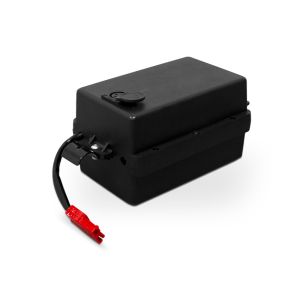
Regular maintenance includes cleaning the frame and upholstery, checking brakes, screws and axles, and monitoring tyre condition and pressure (for pneumatic tyres). For electric wheelchairs, it is also important to follow the battery charging instructions and periodically check the joystick and control system.
If you are looking to buy a wheelchair that combines safety, comfort and a good price, our Quirumed wheelchair range offers manual, folding and electric wheelchairs, plus accessories and cushions to complete your mobility solution.
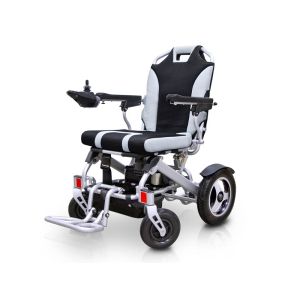
-
Folding Electric Wheelchair ELITE ULTRALIGHT Reinforced FrameSpecial Price £1,114.96 Excluding VAT £1,114.96 Regular Price £1,762.90 -
Wellcore elevating footrest steel wheelchairSpecial Price £142.54 Excluding VAT £142.54 Regular Price £216.21In stock - Delivery in 6/8 days -
Folding, self-propelled steel wheelchair EASY STYLESpecial Price £132.36 Excluding VAT £132.36 Regular Price £167.45In stock - Delivery in 6/8 days -
Folding aluminium transport chair with brakes and transport bagSpecial Price £178.18 Excluding VAT £178.18 Regular Price £182.25In stock - Delivery in 6/8 days -
Wheelchair for neurological disorders, adjustable footrests, armrests and backrest£552.25 Excluding VAT £552.25In stock - Delivery in 6/8 days -
SPECIAL WIDTH wheelchair, 56cm. SteelSpecial Price £224.00 Excluding VAT £224.00 Regular Price £291.49In stock - Delivery in 6/8 days -
Folding Electric Wheelchair EASY ULTRALIGHTSpecial Price £845.13 Excluding VAT £845.13 Regular Price £1,321.96In stock - Delivery in 6/8 days -
Steel wheelchair BASIC COLOURSAs low as £122.18 Excluding VAT £122.18 RRP Regular Price £138.83 RRP Regular Price £138.83In stock - Delivery in 6/8 daysIn stock - Delivery in 6/8 daysIn stock - Delivery in 6/8 days -
Folding Wheelchair AluminumSpecial Price £224.00 Excluding VAT £224.00 Regular Price £268.17In stock - Delivery in 6/8 days -
Wheelchair, special width 56cm seat, foldingSpecial Price £234.19 Excluding VAT £234.19 Regular Price £283.01In stock - Delivery in 6/8 days -
Neurological wheelchair extensible, seat width 46 cm£471.18 Excluding VAT £471.18In stock - Delivery in 6/8 days -
EASY Folding electric wheelchair with a steel chasisSpecial Price £636.38 Excluding VAT £636.38 Regular Price £793.69In stock - Delivery in 6/8 days -
BASIC LIGHT electric wheelchairSpecial Price £610.93 Excluding VAT £610.93 Regular Price £933.96In stock - Delivery in 6/8 days -
Folding Wheelchair for Transport with Fixed ArmrestsSpecial Price £101.81 Excluding VAT £101.81 Regular Price £154.73In stock - Delivery in 6/8 days -
Steel Folding Wheelchair model BASICSpecial Price £81.45 Excluding VAT £81.45 Regular Price £156.84In stock - Delivery in 6/8 days -
Wellcore electric wheelchairSpecial Price £931.67 Excluding VAT £931.67 Regular Price £1,443.08In stock - Delivery in 6/8 days -
Folding electric wheelchair EASY PLUS ULTRALIGHTSpecial Price £952.04 Excluding VAT £952.04 Regular Price £1,402.21In stock - Delivery in 6/8 days -
PRO ULTRALIGHT Folding electric wheelchairSpecial Price £1,048.77 Excluding VAT £1,048.77 Regular Price £1,499.21In stock - Delivery in 6/8 days -
Folding electric wheelchair EASY PLUSSpecial Price £605.84 Excluding VAT £605.84 Regular Price £939.21In stock - Delivery in 6/8 days -
EASY LIGHT electric wheelchairSpecial Price £509.11 Excluding VAT £509.11 Regular Price £839.89In stock - Delivery in 6/8 days -
Folding sports wheelchair width 46Special Price £366.55 Excluding VAT £366.55 Regular Price £419.94In stock - Delivery in 6/8 days -
Sports wheelchairSpecial Price £402.20 Excluding VAT £402.20 Regular Price £443.46In stock - Delivery in 6/8 days -
Sports folding wheelchairSpecial Price £346.19 Excluding VAT £346.19 Regular Price £397.27In stock - Delivery in 6/8 days
Wheelchairs are an essential mobility aid for people with reduced mobility or orthopaedic conditions affecting their legs, hips or spine. They are not only used in hospitals and care homes, but also at home, in residential settings and for everyday journeys outside.
At Quirumed, we offer a wide range of orthopaedic wheelchairs so that each user can choose the model that best matches their needs, body size and lifestyle. Our Quirumed wheelchairs stand out for their robust construction, safety, quality materials and competitive prices, whether you are looking for a basic manual wheelchair, a lightweight folding wheelchair or a compact electric wheelchair.
Types of wheelchairs available
When you start looking for a wheelchair for sale, it is easy to get lost in the number of options: manual, powered, folding, indoor, outdoor, lightweight, aluminium, etc. To make things easier, our category is organised into clear sub-sections within Orthopedics > Wheelchairs:
- Manual wheelchairs for everyday use at home, in hospital or in clinics.
- Electric wheelchairs and powered wheelchairs for greater autonomy with less physical effort.
- Folding wheelchairs that can be collapsed for storage and transport in a car boot.
- Lightweight aluminium wheelchairs and ultra-light models for users and carers who need to lift the chair frequently.
- Sports wheelchairs and active chairs designed for dynamic, sporty users.
- Wheelchair accessories (leg supports, armrests, spare parts, seatbelts, etc.).
- Anti-bedsore cushions to help prevent pressure sores and improve posture and comfort.
How to choose the right wheelchair
To know which wheelchair to buy, it is important to consider the frame material, type of wheelchair (manual or powered), where it will be used most (indoors or outdoors), the user’s weight and the seat width.
Frame material: steel, aluminium or ultra-light
- Steel wheelchairs: very robust and durable, but also heavier (often around 18–20 kg). They are ideal if the chair will mainly stay in one place and does not need to be lifted into a car frequently.
- Aluminium wheelchairs: lighter (around 10–13 kg), which makes them easier to push, fold and lift. If you are looking for a lightweight manual wheelchair or a lightweight aluminium folding wheelchair, this is usually the best option.
- Ultra-light wheelchairs: made with advanced alloys, aimed at active users who move independently and need a very light, responsive chair.
Manual, folding or electric wheelchair?
- Manual wheelchairs: the user propels the chair using the push rims on the rear wheels or is pushed by a carer. They are simple, reliable and cost-effective.
- Folding wheelchairs: designed to fold easily, they are ideal for users and families who travel frequently or have limited storage space.
- Electric wheelchairs / powered wheelchairs: driven by a joystick, they are recommended when arm strength is limited or when longer distances need to be covered. Many folding electric wheelchairs are compact enough for travel and car transport.
Indoor, outdoor or mixed use
The main environment will help you choose between different wheelchair types and wheel sizes:
- Indoor wheelchairs: a narrow wheelchair with a reduced overall width is easier to manoeuvre through doorways and in tight spaces. Models with smaller rear wheels and compact frames are ideal for use in the home, care homes and hospitals.
- Outdoor wheelchairs: larger rear wheels roll more easily over uneven pavements, kerbs and small obstacles. For long outdoor journeys, a powered wheelchair or electric wheelchair can significantly reduce fatigue.
Wheelchair sizes and seat width
The seat width and overall width should match both the user’s body size and the space available at home:
- For very slim users, seat widths around 40 cm (16") may be suitable.
- Standard adult wheelchairs often have a seat width of 42–45 cm (16–18").
- For larger or bariatric users, wider seats and reinforced frames are available, with higher maximum user weights.
Comfort is also influenced by seat depth, backrest height, seat height and the position of the footrests. A good fit helps maintain a safe, upright posture and reduces the risk of pressure points.
Wheelchairs for older adults and long-term use
As we age, walking longer distances or standing for long periods can become difficult. A suitable wheelchair for older adults can make daily life safer and more comfortable, both indoors and outdoors.
- Lightweight folding wheelchairs are ideal for taking to appointments, outings and trips with family members.
- For regular outdoor use, a lightweight folding electric wheelchair with good battery range offers independence without overexertion.
- For people sitting for many hours, combining the chair with an anti-bedsore cushion helps prevent pressure sores and improves comfort.
Key points to consider before buying a wheelchair
Based on feedback from our Quirumed customers, these are some of the most important aspects to review before choosing a wheelchair:
| Aspect | What users often notice | What to check before buying |
|---|---|---|
| Wheels & surface | Very hard, narrow wheels can transmit more vibration and feel less secure on smooth indoor floors or uneven pavements. | For mainly outdoor use, consider wider or pneumatic tyres for a smoother ride. For indoor or flat surfaces, solid tyres are low-maintenance. |
| Width & manoeuvrability | Standard wheelchairs may be difficult to turn in narrow hallways or through tight doorways. | If the chair is mainly for home use, look for a narrow indoor wheelchair with a reduced overall width and good turning radius. |
| Weight & folding | Carers often mention how much easier a lightweight folding wheelchair is to lift into a car. | If the chair will be transported frequently, prioritise a lightweight, foldable frame and removable leg rests and armrests. |
| Maximum user weight | Heavier users need a stronger frame to feel safe and supported. | Check the maximum user weight. Bariatric or reinforced models are available for higher weights (e.g. 130–150 kg or more). |
| Type of wheelchair | Some users manage well with a manual chair, others need powered assistance. |
Manual: best when arm strength is sufficient and distances are short. Powered: ideal when strength or balance is limited, or for longer daily journeys. |
FAQs about wheelchairs
What types of wheelchairs are there?
The main types are manual wheelchairs (self-propelled or transit chairs pushed by a carer), electric or powered wheelchairs, and special models such as sports wheelchairs or bariatric wheelchairs with higher weight capacity. The right choice depends on the user’s mobility, daily distances and environment.
How do I choose between a manual and an electric wheelchair?
A manual wheelchair is lighter, simpler and usually the most economical option. It is suitable for users with enough arm strength or when a carer will be pushing the chair. An electric wheelchair is recommended when independence is a priority and pushing the chair manually would be too tiring or difficult, especially over longer distances or slopes.
What seat width do I need?
The seat width should be wide enough for comfort but not so wide that the user slides to one side. Standard seat widths are usually between 40 and 45 cm (16–18"). Narrower or wider sizes are available for smaller or larger users. Remember also to check the total width of the chair to ensure it fits through your doors and hallways.
Which wheelchair is best for indoor use?
For mainly indoor use, a compact, narrow wheelchair with a good turning radius is ideal. Transit wheelchairs with smaller rear wheels, or specially designed indoor wheelchairs, are easier to manoeuvre in tight spaces. A folding frame is useful if you need to store the chair when not in use.
What maintenance does a wheelchair need?
Regular maintenance includes cleaning the frame and upholstery, checking brakes, screws and axles, and monitoring tyre condition and pressure (for pneumatic tyres). For electric wheelchairs, it is also important to follow the battery charging instructions and periodically check the joystick and control system.
If you are looking to buy a wheelchair that combines safety, comfort and a good price, our Quirumed wheelchair range offers manual, folding and electric wheelchairs, plus accessories and cushions to complete your mobility solution.

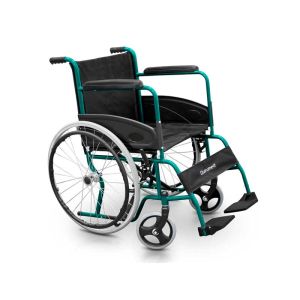
continue in UK
Ireland