Wheelchairs
Wheelchairs are an essential mobility aid for people with reduced mobility or orthopaedic conditions affecting the legs, hips or spine. They are used in hospitals, nursing homes and clinics, but also at home and for everyday journeys outdoors. At Quirumed we supply wheelchairs across Ireland, from basic manual models to self-propelled, transit and powered chairs.
The right wheelchair depends on who pushes it, how often it is folded or lifted, the user's body size and where it will be used. This page explains the main types of wheelchairs, how to choose between them, what affects the price and how provision works through the HSE, so you can match a model to a real need rather than to a label.
Types of wheelchairs
The catalogue is organised into clear sub-sections so you can move straight to the format you need. Each type answers a different combination of user autonomy, transport and setting.
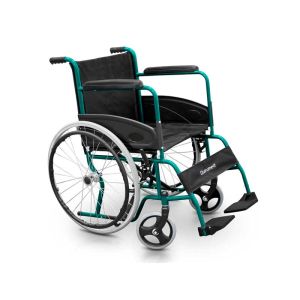
- Manual wheelchairs in steel or aluminium for everyday use at home, in hospital or in clinics, with self-propelled rear wheels the user turns by hand.
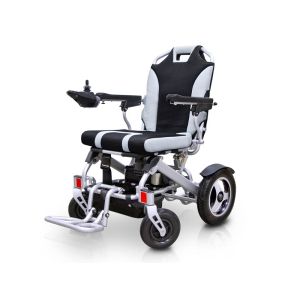
- Electric wheelchairs for greater autonomy with less physical effort, including auto-folding models that collapse with a remote for car transport.
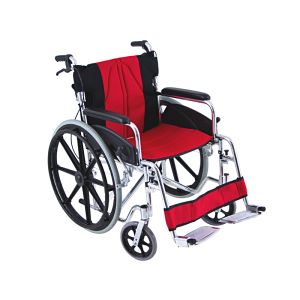
- Folding wheelchairs that collapse for storage and fit in a car boot, useful for carers who move the chair between locations.
- Lightweight aluminium wheelchairs for users and carers who lift the chair frequently or travel often.
- Transit (attendant-propelled) wheelchairs with small rear wheels, pushed by a carer, ideal for short trips and travel.
- Shower and bathroom wheelchairs and commode chairs built from water-resistant materials for wet rooms.
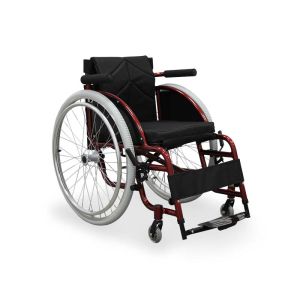
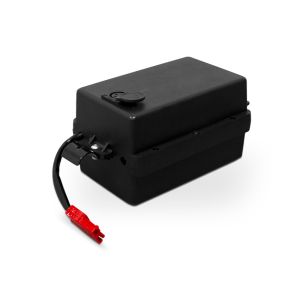
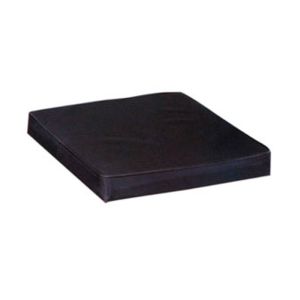
Specialised formats round out the range: sports wheelchairs with a rigid frame and cambered wheels, neurological chairs with headrest and elevating footrests, and a selection of wheelchair accessories and replacement parts such as cushions, batteries and chargers.
Manual, self-propelled or powered
Beyond the body format, the first real decision is how the chair moves. This is what separates a chair a user drives themselves from one a carer pushes, and it shapes both effort and price.
- Self-propelled: large rear wheels with hand rims; suits a user with upper-body strength who wants independence indoors and out.
- Transit (attendant-propelled): small rear wheels, lighter, made to be pushed by a carer over short distances and on trips.
- Powered: a motor and battery remove physical effort entirely; the best fit for longer distances or limited arm strength.
Many households keep two chairs for different situations: a powered chair for daily independence and a light transit model that folds into the car for appointments and travel. For users who walk short distances but tire easily, a walking frame or a scooter from the mobility aids range can complement a wheelchair rather than replace it.
How to choose the right wheelchair
Three decisions narrow the choice quickly: who moves the chair, how often it is lifted, and the seat width the user needs. A self-propelled chair suits a user with upper-body strength who pushes the rear wheels independently. A transit chair, with small rear wheels, is lighter and made to be pushed by a carer over short distances.
Seat width is the measurement that most affects comfort. Common widths run from 16 inches for a slim adult to 18 or 20 inches for a standard or larger user; measuring hip width while seated and adding a small margin gives the right size. Weight matters when the chair is lifted into a car daily: an aluminium frame is markedly lighter than steel, while steel costs less and tolerates heavy daily use. For users who spend many hours seated, an anti-bedsore cushion and an elevating footrest are worth adding from the start.
How much does a wheelchair cost in Ireland
Price tracks the frame material and the level of mechanisation rather than the brand alone. As a general guide, basic steel transit chairs sit at the lower end, self-propelled mid-weight models occupy the middle, and powered chairs are the most expensive because of the motor, battery and control system.
Specialised options add cost: an elevating footrest, a reinforced frame for higher user weight, or an ultralight auto-collapsing powered chair will each raise the figure. Accessories such as spare batteries, chargers and cushions are an ongoing consideration for motorised models. For an exact figure, check the individual product page, since specification and width drive the final price.
Wheelchairs and the HSE in Ireland
In Ireland, some users access a wheelchair through the public system rather than buying privately. Provision is typically arranged after an assessment by an occupational therapist or a referral from a GP, and is channelled through the HSE or charitable schemes for people who qualify. Eligibility and waiting times vary by area and by individual circumstances.
Buying privately gives faster access and a wider choice of model, width and weight than the standard public allocation, which is why many users and families purchase directly even when partial support may be available. If you think you may qualify for public provision, it is worth speaking to your occupational therapist or GP about the current process in your area before deciding.
Frequently asked questions about wheelchairs
How much does a wheelchair cost in Ireland?
The price depends mainly on the frame material and the level of mechanisation. Basic steel transit chairs are the most affordable, self-propelled mid-weight models sit in the middle, and powered chairs are the most expensive because of the motor, battery and controls. Specialised features such as an elevating footrest, a reinforced frame or an ultralight auto-collapsing mechanism add to the figure. Because seat width and specification affect the final price, the most reliable way to confirm a cost is to check the individual product page for the model you are considering.
What type of wheelchair is the easiest to push?
For a carer, a transit wheelchair is usually the easiest to push: it has small rear wheels, a lighter frame and is designed to be moved by an attendant over short distances. For a user moving independently, a self-propelled chair with large rear wheels is easier to control, and a light frame reduces the effort further. The easiest option depends on whether the chair is pushed by a carer or self-propelled by the user, so it is worth deciding that point first.
How do you get a wheelchair through the HSE?
Public provision in Ireland is generally arranged after an assessment by an occupational therapist or a referral from a GP, and is channelled through the HSE or charitable schemes for people who qualify. Eligibility and waiting times vary by area. Buying privately gives faster access and a wider choice of model and width, so many families purchase directly even when partial support may be available. If you think you may qualify, speak to your occupational therapist or GP about the current process in your area.
What seat width should a wheelchair have?
Seat width is the measurement that most affects comfort and safety. Common widths range from 16 inches for a slim adult to 18 or 20 inches for a standard or larger user. To find the right size, measure hip width while the user is seated and add a small margin so the user is neither pinched nor sliding sideways. A width that is too narrow causes pressure points, while one that is too wide reduces stability and makes self-propelling harder. If the user is between sizes, the wider option is usually the safer choice.