Massage and Treatment Tables
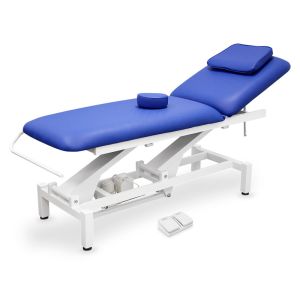
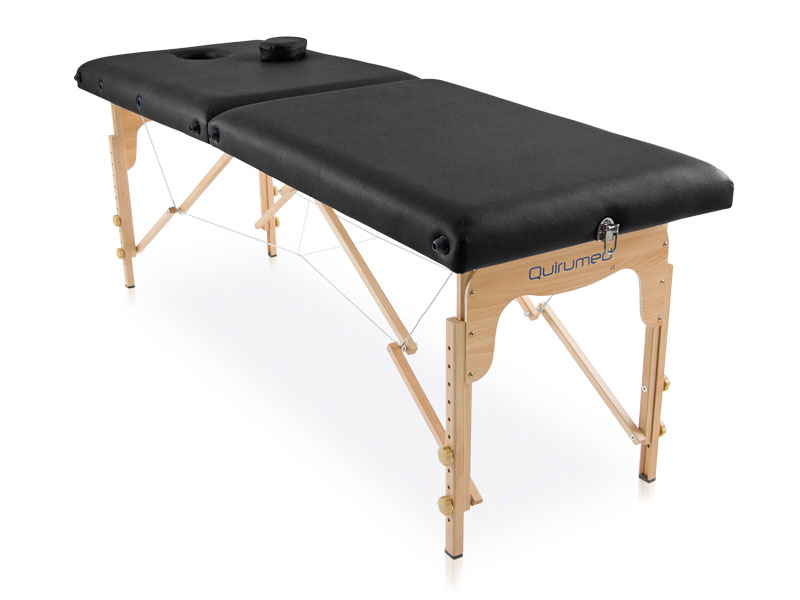
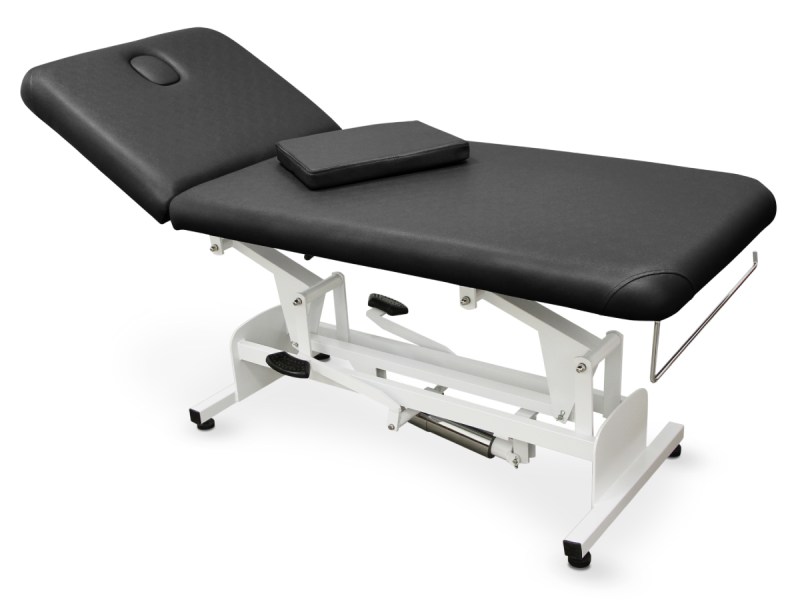
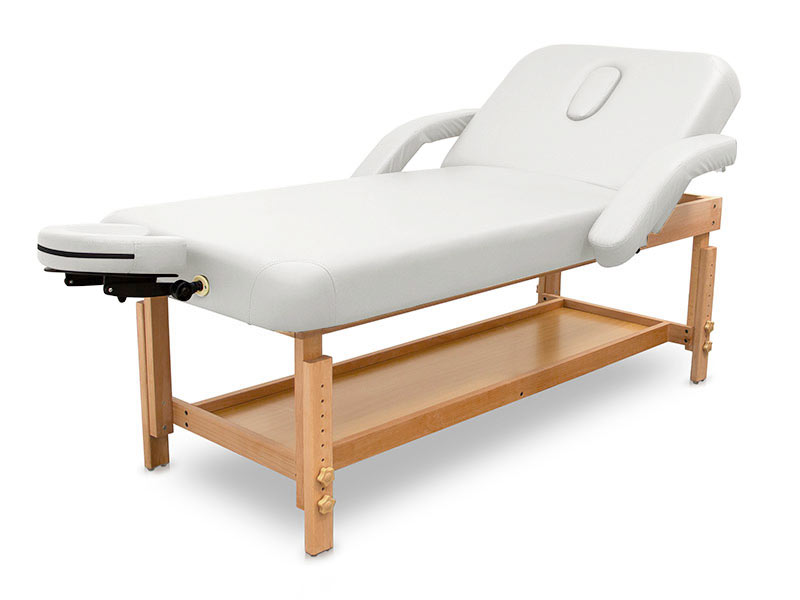
Massage and treatment tables for clinics, physio rooms, spas, beauty salons and tattoo studios across Ireland. Whether you need a folding aluminium table for home visits, a hydraulic couch for daily clinical work, an electric multi-section treatment table for a busy practice or a fixed examination couch for routine consultations, you will find a wide selection in this category from brands such as Quirumed, Ecopostural, Mobercas and Wellcore, with shipping to Ireland.
Choose by table type
This hub groups every massage and treatment table available in our Irish catalogue, organised by drive system. Electric treatment tables are the right pick for clinical practices that need precise height adjustment with foot or hand controls, often with two, three or four motorised sections. Portable massage tables — including the portable wooden massage tables sub-line — are the lightest option (typically 10–15 kg in aluminium and 14–18 kg in wood), folding flat for home visits, mobile work or temporary set-ups. Hydraulic treatment tables use a foot pedal to set the working height without electricity, useful in rooms with limited plug points or where silent operation matters. Finally, fixed height examination couches are the workhorse for GP consultations, blood pressure rooms, dermatology and any environment where the table is set to a single working height for many short visits a day.
Massage table vs treatment table: what is the difference?
A massage table is built for hands-on bodywork: a stable, well-padded surface usually 60–70 cm wide and 180–200 cm long, used in spas, mobile work or beauty cabins, with a focus on portability, comfort and a quiet structure. A treatment table is a wider category that covers clinical couches with backrest, height adjustment (electric, hydraulic or fixed), often a roll holder, gas struts and accessories for assessment, rehabilitation and examination. Every massage table can be used for soft work, but not every treatment table is suitable for hands-on massage.
Match the table to your practice
Choosing a couch is rarely about the material alone. The decisive factors are how many clients you see per day, whether you stand or sit during treatments, the range of services you offer and how often you reposition the patient. The notes below summarise what works in each setting.
Physiotherapy and rehabilitation rooms
For daily clinical work, electric tables with two or three sections are the standard. Look for height ranges around 50–95 cm, a Trendelenburg or backrest adjustment, a sturdy frame in painted or chrome steel and an upholstery thickness of at least 5 cm in high-density foam. For neurological rehabilitation and Bobath techniques, look for treatment tables with a wider platform (around 100–120 cm) that allow safe patient turning and full perimeter access for the therapist.
Beauty salons, spa cabins and aesthetic centres
Three sections, gas-strut backrest and a clean finish are the priorities here. For long facial, lash or body protocols, an electric spa table with multiple motors or a chair-convertible base is designed for sessions where client comfort matters most. For mobile aestheticians, a folding aluminium table with reclining backrest (typical sizes 185x60 or 185x70 cm) is more practical than a wooden equivalent because of the lower carry weight and better resistance to humidity and product spills.
Tattoo studios, microblading and piercing
Tattoo work calls for a robust steel or chrome-steel structure, an oil-resistant upholstery that wipes clean between clients and a backrest that allows semi-reclined positions for facial, neck or arm pieces. Two- or three-section tables of around 70 cm wide give the artist enough room to move while keeping the client supported. Many studios pair the couch with a multifunctional trolley and a UV steriliser; you will find these accessories under tattoo treatment couches.
Medical and dental practices
For GP rooms, family medicine, dermatology and small specialist clinics, the choice is usually between a fixed examination couch (single height, very stable) and a basic electric or hydraulic couch when the same room is shared by tall and short clinicians. A roll holder is almost compulsory and is fitted on many of the references in this category. Painted steel and chrome steel are the most common materials thanks to easy cleaning and durability.
Sole traders and mobile practitioners
If you visit clients at home, fold the table at the end of every shift or share it between rooms, a folding aluminium table is the right starting point. The widely available formats are 185x60 cm and reinforced 70 cm-wide versions, with combined weight (table + carry bag) typically around 12–15 kg, which most therapists can lift without help.
Quick comparison: which drive system fits your day?
| Type | Best for | Sections | Investment level | Pros | Watch-outs |
|---|---|---|---|---|---|
| Electric | Daily clinical use, heavy throughput | 2–4 motorised | Mid to high | Precise height, low effort | Needs power, more service points |
| Hydraulic | Quiet rooms, no plug nearby | 2–3 | Mid | Silent, no electronics | Foot-pedal effort, slower than electric |
| Portable / folding | Home visits, mobile work, beauty fairs | 2–3 manual | Entry to mid | Light, packs flat, transport bag | Less stable than fixed frame |
| Fixed examination | GP consultation, dermatology, single working height | 1–2 | Entry to mid | Robust, easy to clean | Not suitable for height-sensitive treatments |
Materials, sections and weight capacity
Wood is the warmest visual option and the most common in spa and aesthetic cabins, with most wooden tables built as two-section folding models that include extra reinforcement in the 70 cm-wide versions. Aluminium leads on portability — a typical 185x60 cm folding aluminium stretcher weighs around 11–13 kg with the headrest fitted. Painted and chrome steel are the materials of choice for fixed and electric couches, where strength and easy disinfection matter most. On sections: two-section tables are the everyday norm; three-section tables add backrest and leg adjustment for facial, beauty or examination work; four- and five-section tables are reserved for specialist clinical or veterinary use.
For weight capacity, most folding tables are rated between 200 and 250 kg of static load; reinforced electric tables for clients with larger build can reach 300 kg or more. Always check the load figure stated in each product sheet rather than assuming a ceiling per material.
Accessories that extend the working life of a couch
Two add-ons noticeably extend the useful life of a couch. A roll holder protects the upholstery between clients and pairs naturally with our paper towels and sheets for treatment couches. A transport bag — sold separately for most folding tables — preserves edges and hinges between visits. Other practical accessories include face cradles, arm shelves and bolster cushions, all of which can be ordered separately under massage and therapy accessories.
Frequently asked questions
What is the difference between a massage table and a treatment table?
A massage table is a portable, well-padded surface for hands-on bodywork, typically 60–70 cm wide. A treatment table is a wider category that includes clinical couches with electric, hydraulic or fixed height, backrest and accessories used in physio rooms, examination areas and rehabilitation. A massage table can be used for soft treatments, but a treatment table covers clinical work that a basic massage couch is not designed for.
How much does a treatment table cost in Ireland?
Folding aluminium and wooden tables sit at the entry tier; hydraulic couches typically fall in the mid range; electric treatment tables and spa-style models with multiple motors or extra functions occupy the upper tier. The current price for each model is shown on the product sheet, including any active discount and shipping cost to Ireland.
Are electric treatment tables worth it?
For a clinic that runs more than three or four patients a day, yes. Electric height adjustment saves several minutes per session, reduces strain on the practitioner's lower back and protects the patient's transfer comfort. For occasional or mobile use, a hydraulic or folding table is usually a better fit.
What width should a massage or treatment table be?
For massage and beauty work, 60 cm fits compact cabins and shorter practitioners; 66–70 cm gives more room for body protocols and larger clients. For physio and clinical examination, 65–70 cm is the most common width, with 100–120 cm wide platforms reserved for Bobath rehab or veterinary use.
Can the same table be used for physio, beauty and tattoo work?
Sometimes, but it is not the best choice. Each setting has its own ergonomics: physio needs precise height ranges and a sturdy frame; beauty wants a clean finish with three sections; tattoo studios prioritise wipe-clean upholstery and side access. If you cover several services, choose a couch rated for the heaviest use and add accessories for the rest.