No wheels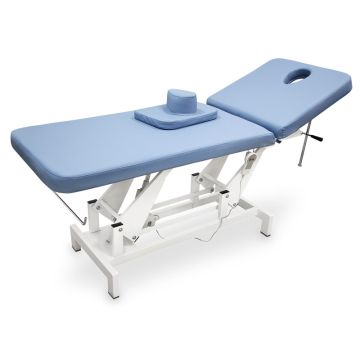
BASIC COMPACT 2 sections
Light, easy-to-handle hand control
- ControlHand control
- BackrestManual
- Width62 cm
View BASIC COMPACT (2 sections)

We are showing you products that ship to Ireland. To see products that ship to another country, change your shipping address.
Electric treatment tables for clinics, physio rooms, beauty salons, spa cabins and tattoo studios across Ireland. Height adjustment is motorised, controlled with a foot pedal or a hand remote, and the table moves through a working range that lets the practitioner stand or sit without manual effort. This category groups every electric treatment table available for shipping to Ireland, organised by number of motors, sections and intended setting.
An electric treatment table is a height-adjustable couch with one or more motors that move the seat and back sections through a controlled range. Five practical features define it:
The number of motors decides what moves under power and how independent each movement is. A one-motor table only changes height, with the rest of the adjustments done by gas strut or hand release. A two-motor table adds a powered backrest, which is the most common setup for general physio and massage work. A three-motor table also tilts the leg section, which is useful for circulatory work, beauty protocols and rehabilitation positions. A four-motor table adds Trendelenburg or independent seat movement, the typical choice for clinical examination, post-surgical care and bariatric work. More motors mean more flexibility but also more service points and a higher initial investment.
The right electric table depends less on the brand and more on how the room is used: how many clients you see per day, whether you stand or sit during sessions, the range of services you offer and how often you reposition the patient. The notes below describe what works in each setting.
For daily clinical work, two-motor or three-motor tables are the standard choice. Look for a height range around 50–95 cm, an independent backrest, a sturdy steel frame and an upholstery thickness of at least 5 cm in high-density foam. Foot control is the practical default: it leaves both hands free for patient handling and patient transfer. For neurological rehab and Bobath work, look for tables with a wider platform around 100–120 cm that allow safe patient turning and full perimeter access.
Three-motor electric tables are the typical choice in beauty: they tilt the legs and recline the back without breaking the session flow. Hand remote suits cabins where the therapist stays at the head of the table; foot pedal suits longer body protocols where both hands stay on the client. Spa-style tables with chair-convertible bases or LED features are designed for sessions where client comfort matters most. Width sits between 60 and 70 cm, and gas-strut backrests on supplementary sections are common.
Tattoo and microblading prioritise robust frames in steel or chrome steel, oil-resistant upholstery that wipes clean between clients and a backrest that allows semi-reclined positions for facial, neck and arm pieces. Two-section electric chairs around 70 cm wide give the artist enough room to move while keeping the client supported. Many studios pair the couch with a multifunctional trolley and a UV steriliser; you will find these accessories under tattoo treatment couches.
For GP rooms, dermatology and small specialist clinics, the choice is usually between a basic two-motor table when several clinicians share the room and a three-motor or four-motor table when examinations include leg lift or Trendelenburg position. A roll holder is almost compulsory and is fitted on many references in this category. Painted steel and chrome steel are the most common materials thanks to easy cleaning and durability.
| Motors | What moves | Best for | Investment level | Pros | Watch-outs |
|---|---|---|---|---|---|
| 1 motor | Height only | Compact rooms, light use | Entry to mid | Simple, low service | Backrest stays manual |
| 2 motors | Height + backrest | General physio, massage, beauty | Mid | Most flexible per euro | Leg piece manual |
| 3 motors | Height + backrest + leg | Beauty protocols, rehabilitation | Mid to high | Smooth session flow | More service points |
| 4 motors | Height + backrest + leg + Trendelenburg/seat | Clinical examination, bariatric, post-surgical | High | Independent positions | Higher initial investment |
Beyond motor count, a few features will define how the table feels in daily use:
A roll holder protects the upholstery between clients; face cradles, arm shelves and bolster cushions can be ordered separately under massage and therapy accessories. For mobile practitioners who need a lightweight option for home visits, a folding aluminium model from the portable massage tables sub-line is a better fit than an electric model. For rooms with limited plug points, a hydraulic treatment table may be the right alternative without electricity.
An electric treatment table changes height, backrest and other sections under motor power, controlled with a foot pedal or hand remote. A manual or hydraulic table needs the practitioner to crank a handle or pump a pedal between sessions. For more than three or four patients per day, the time saved by motorised adjustment becomes a real benefit; for low-volume rooms or mobile work, a hydraulic or folding table is usually a better fit.
Two motors (height plus backrest) cover most physio, massage and general beauty work. Three motors add an independent leg section, useful for facial protocols, rehabilitation positions and circulatory work. Four motors add Trendelenburg or independent seat movement, the typical choice for clinical examination, post-surgical care and bariatric work. The right count depends on the protocols you run most often, not on the spec sheet.
Most professional electric tables are rated between 200 and 250 kg of static load with the table at standard width. Reinforced tables for clients with larger build reach 300 kg or more. Always check the load figure stated in each product sheet, since reinforced frames cost more but pay back as soon as one session a week involves a client outside the standard range.
Foot pedal is the practical default for clinical work because it leaves both hands free during patient handling and patient transfer. Hand remote suits beauty cabins where the therapist stays at the head of the table or where the foot pedal is hard to position. Some tables include both controls; if you work in different rooms or rotate practitioners, dual control is a sensible upgrade.
They can be, but the trade-offs are real: an electric table is heavier, takes more floor space and needs a plug point. For a home cabin used a few times a week, a folding aluminium massage table or a hydraulic treatment table is usually a better fit. An electric table makes sense at home when the room is dedicated, the practitioner sees patients daily and a foot or hand control saves time on every session.
Light, easy-to-handle hand control
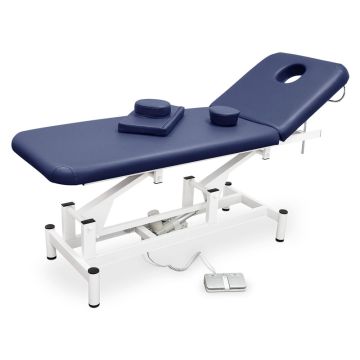
Raise and lower it with your foot

Foot-operated from any side

Armrests and the highest lift (98 cm)
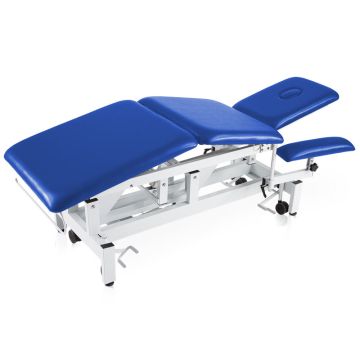
The only 3-section model with a paper roll holder
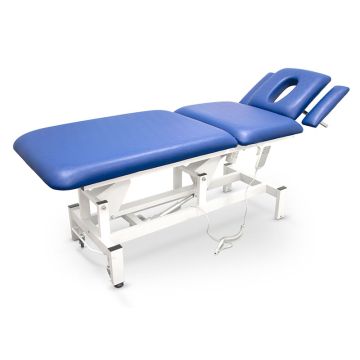
Trendelenburg and the lowest height
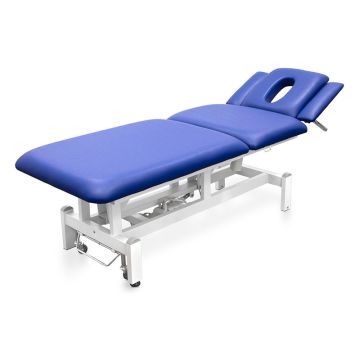
Trendelenburg and HQ frame
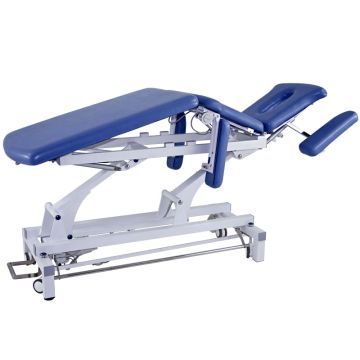
Trendelenburg and peripheral bar

Wenge wood and face hole
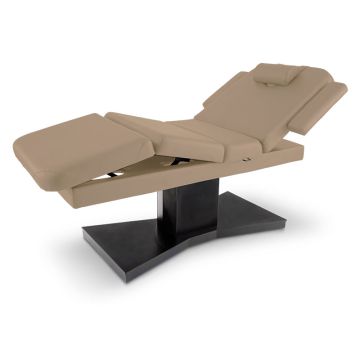
Vertical lift, with armrests
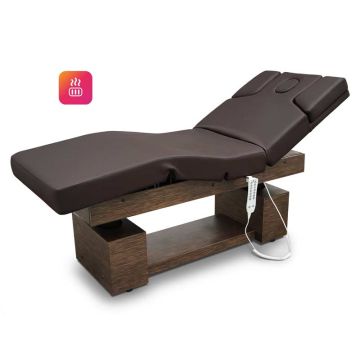
Heating and Trendelenburg
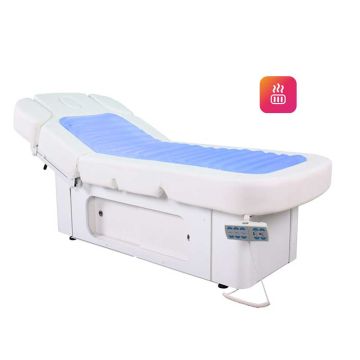
Water mattress, heating and LED